WELCOME!

Please share this blog with your friends and neighbors!!
Dr. Caroline Ramsey Musselwhite

Saturday, March 9, 2024

Making Real Change

 Real Change / Deep Change / Lasting Change
As I inch closer to retirement, I think about my quest to be a changemaker more and more.  I feel a passion about seeing change that is:  

Real Change:  Not just surface change such as shiny technology, or cutesy boom cards, but TRUE change that leads to life changes for the learners that we serve.  Change such as:

- Helping learners develop comprehensive literacy to the highest level possible.  This must include all of the components of literacy, including generative writing with the alphabet.

- Supporting people who use AAC in using their systems to engage with the world, beyond wants and needs, sharing who they really are, and empowering them.

• Deep Change: This means helping educators, families, and learners develop cognitive clarity, so that they understand what they are doing, why they are doing it, and what the outcomes will be.  (See Erickson & Koppenhaver, Comprehensive Literacy for All, 2020, p. 20)

• Lasting Change: Education is fickle and sometimes change can be short-lived.  And sometimes that might be a good thing, such as the push for 'errorless learning' (good teachers  know that when learners make errors it shows what they are thinking, and helps us target our instruction).  But when we make some real, deep changes, we hope that they can last. Some lasting changes are about stopping practices that we have done for years.  Others are adding new practices that make a difference. Samples of change that we hope is lasting include:

- Going beyond just sight word instruction in teaching reading.

- Recognizing that hand-over-hand instruction is not good practice, and is harmful to learners.

- Acknowledging that copying and tracing are just sensorimotor tasks and do NOT lead to generative writing with the alphabet.

- Creating alternative pencils, modeling them, and using them for generative writing.

- Developing robust communication systems for all learners, including learners with multiple challenges.

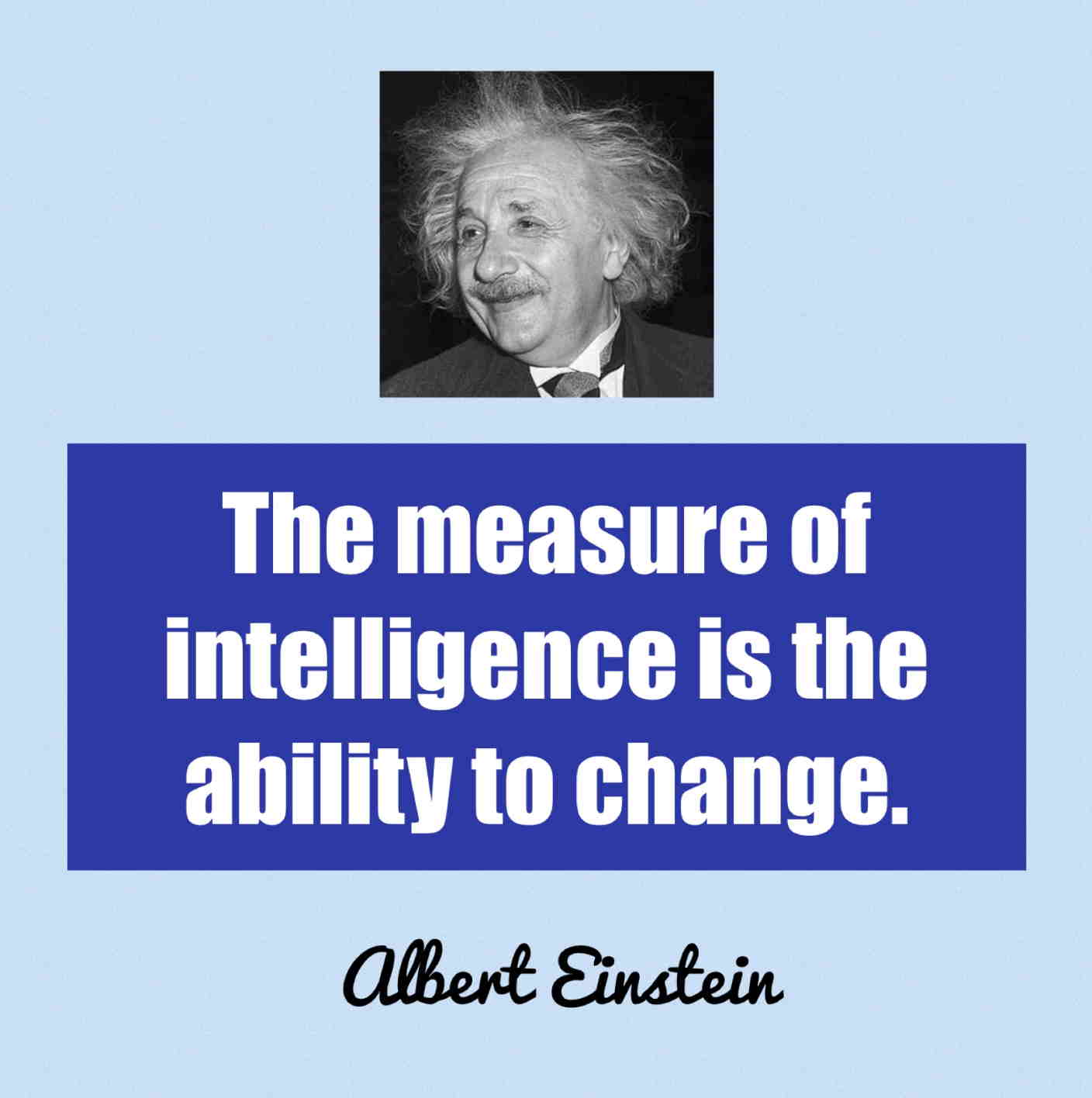
The above quote by Albert Einstein is especially powerful.  Are we smart enough to change?  


Friday, March 1, 2024

Collaborative Books 1 – Creating Books to Share

 WHAT:  This post is about creative collaborative books with learners who use AAC.  The
specifics are contained in 2-page a Tip from AAC Intervention.


WHERE:  This tip can be downloaded from the website AAC Intervention.  Go to Tips of the Month and look for Tip # 4 for 2021.


Caroline's Tips

Thursday, February 8, 2024

Good News / Bad New Stories

 What Are They?  Good news / bad news are stories that have both good and bad parts, so that students who use AAC can practice giving:

Positive Comments:  Using core language (THAT IS GOOD.  I LIKE THAT) or pre-stored comments (WOW, WONDERFUL, GREAT, COOL).

 • Negative Comments:  Using core language (NOT GOOD.  THAT IS BAD.  DON'T LIKE) 
or pre-stored comments (YIKES, YUCK, OH NO.  UH-OH.  OOPS.  BUMMER).

 •Neutral Comments:  Using core language (REALLY.  INTERESTING) or pre-stored comments (WELL, OKAY).


Where Can You Find These Stories?  Many children's books have good and bad parts, to allow students to practice their commenting.  Wordless videos such as Simon's Cat also offer excellent – and highly engaging opportunities to practice.


How Can You Practice?  Glad you asked!  Krista and I have created tow Tarheel Reader books that can serve as a 'tutorial' – for families, teachers, paras, and educators.  Please use these stories with your students to help them be more successful thinking of comments for good news and bad news!!


This book is in story format.  It tells of the trials and tribulations of a young girl whose kitty has gone missing.  Join her to practice giving feedback to the girl about her search for her kitty.  


The Good News / Bad News about cooking follows a story about cooking Mac and Cheese, 
and the ups and downs that happen while cooking  We can all relate to that, right?


`The book also gives advice from Krista on why using comments when you hear good news or bad news is really important.   

So go to www.tarheelreader.org , choose Find a Book, and search for Krista H to find these powerful books!!


And THANKS to Columbia Regional Inclusive Services for supporting this project!!

Thursday, February 1, 2024

Alterative Pencils!

 What.  Alternative pencils are tools to access the FULL alphabet.  The initial alternative pencils were designed by Dr. Gretchen Hanser and Dr. Karen Erickson.


Why.  Alternative pencils are used for learners who can't use traditional tools such as pencils, pens, or markers to write.


How. They could be accessed by:

• Direct select with a finger point or hand

• Eye gaze

• Partner assisted scanning

• Switches


Where. 
A great resource for alternative pencils is the Center for Literacy and Disability Studies.  They have many alternative pencils that can be downloaded for free.

https://www.med.unc.edu/healthsciences/clds/alternative-pencils/

Follow ihopeNYC on Instagram to see images and stories of students using alternative pencils.


Stay Tuned!  I will post more articles on alternative pencils at this blog!


Monday, January 22, 2024

The AlphaBook – Light Tech Direct Select Alphabet!

 What:  This simple light tech alphabet is great for students who can see the letters and have the motor skills to touch desired letters.  It can be a very quick 'alternative pencil.'  


Why:  For students with good fist-pointing skills, this can be an efficient tool.


How:  Partners change pages as desired by the writer.  


Where:  For more information, see Tip # 7, 2021 at 

www.aacintervention.com  


Friday, December 22, 2023

Shared Reading Book List!!


 What:  Dr. David Koppenhaver is one of the authors of the book, Comprehensive Literacy for
all.  His list of recommended shared reading books is perfect for emergent readers of all ages!


Where:  The blogpost can be found at the Building Wings website.  Here's a direct link:

Shared Reading Book Recs


Thursday, December 21, 2023

The Million Word Gap

What Is It?  The million word gap describes the gap in words that children have heard if they missed that early home reading experience.  It's very powerful information for parents of children of all ages, because it's never too late to read aloud!  It's also helpful information for teachers, paras, SLPs, etc.  


Where Can You Find It?  You can download the tip that summarizes this information PLUS a sample letter that you can share with parents.  What a great way to start out 2024, by encouraging more reading!!


Downoad this tip here:

Million Word Gap